Understanding Anxiety in the School Setting
School-related anxiety affects millions of students across the United States, manifesting in various ways that can significantly impact both learning and quality of life. While some level of nervousness about school is normal, chronic anxiety can prevent students from reaching their full potential.
Anxiety in educational settings often presents through physical symptoms like headaches, stomachaches, and fatigue. Students may experience difficulty concentrating, persistent worry about academic performance, or fear of social interactions. For some, the mere thought of walking into a crowded hallway or eating in a busy cafeteria triggers overwhelming panic.
Read about the reasons why families choose online private schools in our blog.
How Online School Reduces Anxiety Triggers
One of the most significant advantages of online learning for anxious students is the dramatic reduction in social pressure. In a traditional classroom, students constantly navigate complex social dynamics, from finding someone to sit with at lunch to managing peer interactions during group work. For students with social anxiety, these situations can be paralyzing.
The sensory environment in online learning is entirely under the student's control. Unlike traditional classrooms with fluorescent lighting, constant noise, and crowded spaces, students learning from home can:
- Choose their ideal lighting conditions
- Control background noise levels
- Take sensory breaks as needed
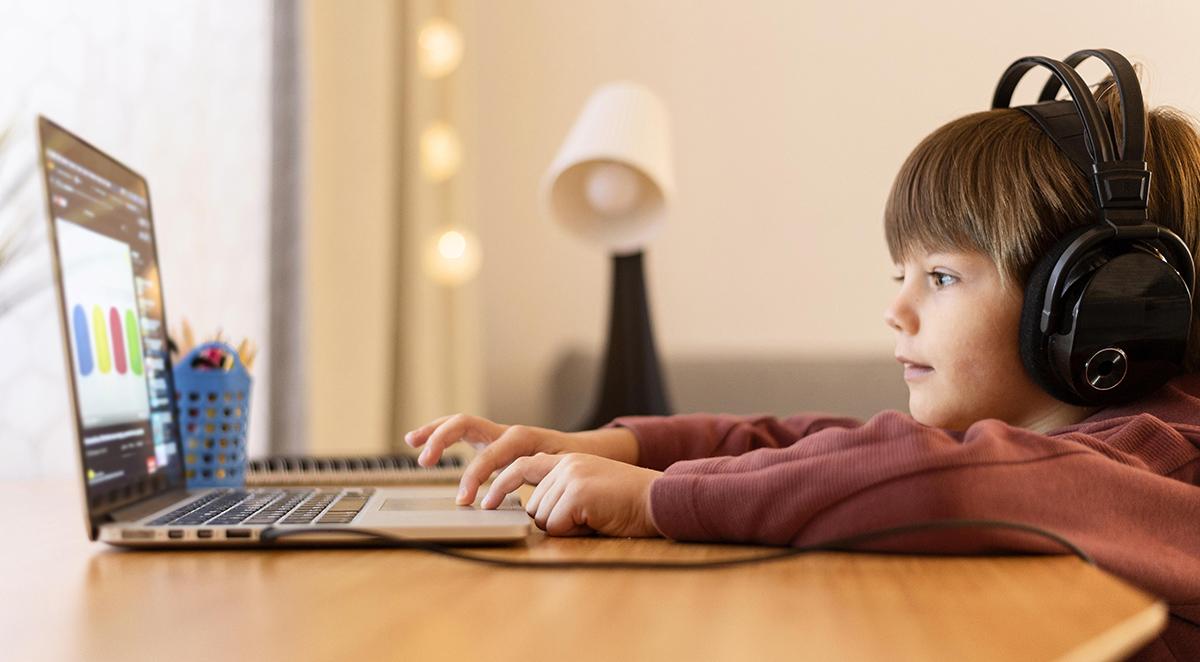
- Create a comfortable, personalized workspace
- Avoid overwhelming crowds and hallway chaos
This control over their environment significantly reduces anxiety and allows students to channel their energy into learning rather than coping with sensory overload.
The flexible pacing offered by online school is another game-changer for anxious students. Traditional schools operate on fixed schedules that don't account for individual emotional states or learning rhythms. Online learning allows students to work when they're mentally ready and take breaks when anxiety levels rise.
Building Confidence Through Personalized Support
The personalized attention available through online learning creates a foundation for building confidence that anxious students often struggle to develop in traditional settings. In a brick-and-mortar classroom with 25-30 students, teachers simply can't provide the individualized support that anxious learners need to thrive.
Ignite Learning Academy's approach emphasizes one-on-one interactions between teachers and students. This personalized attention means teachers can recognize when a student is struggling emotionally, adjust their teaching approach accordingly, and provide encouragement tailored to that specific student's needs. Students feel seen and valued, which directly combats the isolation and self-doubt that often accompany anxiety.
Having the right workspace is just one way students prepare for a successful school year. Read about more strategies for success on our blog.
Creating Structure While Maintaining Flexibility
One common misconception about online learning is that it lacks the structure anxious students need. In reality, quality online programs like those offered at Ignite Learning Academy provide clear structure while maintaining the flexibility that helps students manage anxiety.
Consistent routines provide comfort for anxious students, and online learning can offer even more consistency than traditional schools. Students log in at predictable times, follow a clear schedule of classes and assignments, and know what to expect each day. However, unlike rigid traditional school schedules, online routines can be adjusted when anxiety levels are particularly high.
Parents and students work together to create daily structures that include:
- Regular wake-up and start times that align with the student's natural rhythms
- Scheduled breaks for movement, relaxation, or emotional processing
- Consistent meal times and family connections
- Clear boundaries between school time and personal time
- Evening routines that promote healthy sleep habits essential for managing anxiety
This combination of structure and flexibility allows students to benefit from predictability while having the adaptability needed to manage their mental health effectively.
The Role of Family in Supporting Anxious Online Learners
Online learning inherently involves families more closely in the educational process, which can be incredibly beneficial for students managing anxiety. Parents gain visibility into their child's daily academic experiences and can provide immediate support when anxiety surfaces.
Families can actively support their anxious online learners by:
- Creating a dedicated, comfortable learning space free from distractions
- Establishing consistent daily routines that provide structure
- Recognizing early signs of anxiety and helping implement coping strategies
- Celebrating small victories and progress in managing anxiety
- Maintaining open communication with teachers about emotional needs
- Ensuring proper sleep, nutrition, and exercise to support mental health
The balance between independence and support is crucial. Online learning allows students to take ownership of their education while knowing support is available when needed—a combination that builds both confidence and self-efficacy.
Social Connection Without Overwhelming Pressure
A frequent concern about online learning is whether students will miss out on social development. However, for students with anxiety, the question isn't whether social interaction is important—it's whether the social environment supports or hinders healthy development.
Online learning platforms offer numerous opportunities for social connection that feel more manageable for anxious students. Students can participate in moderated online discussions where they have time to think before responding. They can join virtual clubs and activities focused on shared interests, connecting with peers through common passions rather than arbitrary classroom assignments.
Long-Term Benefits for Mental Health and Well-Being
The emotional benefits of online learning extend far beyond immediate anxiety reduction. Students develop valuable coping skills and self-awareness that serve them throughout their lives.
Learning to recognize anxiety triggers, implement calming strategies, and advocate for their needs are skills that transfer to college, career, and personal relationships. Students who thrive in online learning environments often report feeling more prepared to manage stress in other areas of life.
Academic success without sacrificing mental health becomes achievable through online learning. Traditional school systems often force students to choose between maintaining their mental health and achieving academic excellence. Online learning eliminates this false choice. Students can maintain high academic standards while prioritizing their mental health.
Making the Transition to Online Learning
If you're considering online learning for your anxious child, understanding what to expect can ease the transition. The shift from traditional school to online learning represents a significant change, but with proper preparation and support, it can be a smooth and positive experience.
The first step involves honest conversations with your child about their anxiety and how online learning might help. Involve them in the decision-making process, discussing what they find most challenging about traditional school and how online learning could address those specific issues.
When evaluating online school programs, look for these essential elements:
- Experienced teachers trained in supporting students with diverse needs
- Flexible scheduling options that allow for anxiety management
- Clear communication channels between teachers, students, and parents
- Accredited curriculum that meets high academic standards
- Opportunities for social connection in low-pressure formats
- Support services specifically for student mental health and well-being
Ignite Learning Academy offers all these components while maintaining our commitment to helping every student reach their full potential in an environment that supports both academic excellence and emotional well-being.
Frequently Asked Questions
Will my child miss out on important social development in online school?
Online learning offers different but equally valuable opportunities for social development. Students connect with peers through virtual clubs, online discussions, and optional video meetups based on shared interests. For anxious students, these lower-pressure social interactions often lead to deeper, more authentic friendships than those formed in traditional school settings.
How do I know if online learning is right for my anxious child?
Consider online learning if traditional school anxiety interferes with your child's ability to learn, if they frequently miss school due to anxiety-related symptoms, or if they express significant stress about the social or sensory aspects of traditional school. Many programs, including Ignite Learning Academy, offer consultations to help families determine if online learning is a good fit.
What if my child needs therapy or additional mental health support?
Online learning complements mental health treatment and often makes it easier to access support services. The flexible schedule allows students to attend therapy appointments without missing class, and the reduced daily stress means students have more emotional energy to engage in therapeutic work.
How can I ensure my child stays motivated in online school?
Motivation comes naturally when anxiety isn't constantly depleting a student's energy. That said, families play an important role in supporting motivation through consistent routines, celebrating progress, and maintaining open communication with teachers. Online learning at Ignite Learning Academy includes regular check-ins with teachers who monitor engagement and provide personalized support.
Is online learning just avoiding problems rather than teaching students to cope with anxiety?
Online learning isn't about avoiding anxiety—it's about creating an environment where students can learn to manage anxiety effectively without being overwhelmed by it. Students learn valuable anxiety management techniques in a supportive environment, developing skills they'll use throughout their lives while still receiving a rigorous education.
Conclusion
If your child struggles with anxiety in traditional school settings, online learning might provide the supportive environment they need to thrive both emotionally and academically. We invite you to learn more about our programs and discover how we can support your family's educational journey. Visit our admissions page to explore your options or contact us to discuss how Ignite Learning Academy can help your anxious student succeed.
For more insights into supporting students with anxiety through education, explore our article on How to Support Students with Anxiety Through Online Learning and discover what to look for in an online school that prioritizes student well-being alongside academic achievement.